Ways to Determine the Perfect Sliding Door Systems for Your Home Renovation
Selecting the perfect sliding doors during a home renovation demands careful consideration of various elements. Utilization of space, selection of materials, and design style each play vital roles in creating a cohesive appearance. Additionally, the size and functionality of the doors must align with the home's layout. With abundant options, understanding how every choice impacts both appearance and practicality is vital. Which actions should be undertaken to secure a successful selection?

Why Pick Sliding Doors for Enhanced Space Management?
When contemplating home improvements, many homeowners observe that sliding doors present outstanding space conservation benefits. Unlike traditional pivot doors, sliding doors glide on a track, allowing for smooth changes between spaces without requiring additional clearance. This feature makes them particularly practical in smaller areas, where every inch counts.
Moreover, pocket doors can improve the visual charm of a home by creating a sense of openness and continuity. They typically include large glass panels that allow natural light, making rooms to feel more spacious and welcoming.
Furthermore, sliding doors can be customized to complement various architectural styles, further enhancing their utility. Their versatility permits homeowners to integrate them into both interior and exterior spaces, such as patios or living rooms, maximizing functionality. Ultimately, choosing to install panel doors can substantially improve space efficiency while delivering a modern touch to home interiors.
Choosing the Right Selection for Your Sliding Doors: A Thorough Guide
When determining your glass door sliding composition, the selection process remains fundamental for both style and functionality. An inspection of typical choices uncovers their notable characteristics, while review of resilience and upkeep help promise satisfying results over time. Recognizing these points can inform home dwellers in arriving at a sound decision that fits with their remodeling targets.
Frequently used Materials Overview
Picking the correct substance for sliding doors is essential in both functionality and aesthetics. Homeowners regularly go with several materials, each offering unique benefits. Wood displays a traditional, welcoming feel, often appreciated review this content for its authentic elegance and versatility in design. Aluminum is contemporary and light-weight, distinguished for its anti-rust properties and a refined finish. Vinyl is an economical choice, delivering excellent thermal efficiency and low maintenance, while fiberglass pairs durability with a wood-textured appearance. Glass, most notably in large panels, facilitates maximum light and access with outdoor views, heightening the overall character. Each material's choice should align to the homeowner's preferences, financial plan, and practical needs, providing a perfect fit for the renovation project.
Strength And Preservation Factors
Evaluating sturdiness and upkeep is crucial for homeowners considering sliding doors. Various materials offer distinct benefits and drawbacks. For instance, wood provides visual charm but requires regular sealing and refinishing to prevent warping. Aluminum, on the other hand, is lightweight and resistant to rust, demanding minimal upkeep. Vinyl presents a combination between affordability and durability, boasting resistance to fading and cracking. Homeowners should also take into account the climate; coastal areas may benefit from materials that withstand salty air. Additionally, selecting doors with quality hardware can enhance longevity. Regular cleaning and inspections will further prolong the life of sliding doors, ensuring they remain functional and visually appealing. Ultimately, choosing the right material aligns with both lifestyle and long-term maintenance goals.
Select the Perfect Aesthetic for Your Sliding Doors
In what way can one pinpoint the optimal design style for sliding doors as part of a home renovation? Initially, it is essential to examine the property's complete visual style. Minimalist, modern designs commonly select frameless, sleek designs, while heritage residences may be enhanced by decorative frames featuring wood finishes.
Next, evaluate the surroundings where the doors will be placed. For instance, coastal homes might favor glass or light wood alternatives that improve natural light, while urban areas could opt for industrial metals for a contemporary appearance.
Furthermore, arranging the glass panels with existing architectural elements can develop a cohesive look. Components such as color palettes, materials, and fittings should coordinate with the nearby design.
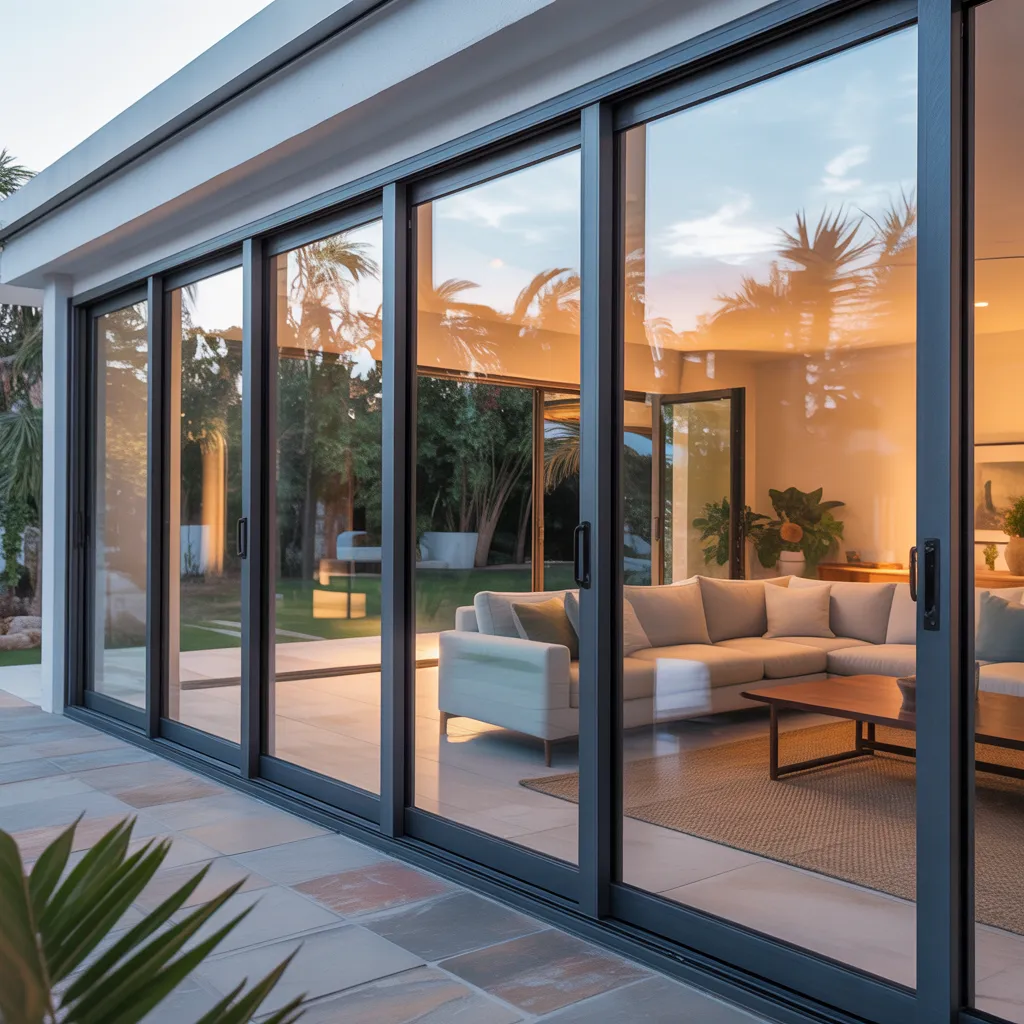
Ultimately, selecting the right design style ensures that sliding doors not only serve a practical purpose but also enhance the home's visual beauty, contributing to a balanced living space.
Determining the Correct Size for Your Sliding Doors
When choosing sliding doors, precise dimensions of the available space are crucial to ensure a correct fit. Moreover, the proportions of the door opening should be considered to maintain functionality and balance. Visual appearance also plays a significant role, as the size of the doors can affect the overall look of the space.
Evaluate Your Space Accurately
Precise measurements are crucial for ensuring that patio doors integrate smoothly within a home's existing design. Homeowners should start by assessing the height and width of the intended entrance, noting any obstructions such as molding or fixtures. It is crucial to account for the door track, which requires extra space both on both sides of the door. Additionally, measuring the wall space adjacent to the door frame helps determining the size of the door system required. Employing a level during measurements can avoid errors caused by uneven surfaces. Property owners may benefit from consulting with an expert for precise measurements, ensuring that the selected sliding doors improve the aesthetic appeal and performance of the home.
Reflect on Door passage Scale relationships
After confirming precise measurements, homeowners must evaluate the scale of the doorway when selecting sliding doors. The dimensions of the doors should match the dimensions of the entrance, enhancing both performance and aesthetics. A doorway that is too small can create a cramped atmosphere, while oversized doors may dominate the space. It is crucial to maintain a balance, making sure that the doors do not block pathways or interfere with furniture arrangement. Additionally, the height of the glass doors should match with the ceiling to create a seamless look. Homeowners should also account for the overall scale of the room, allowing the doors to serve as a focal point without dominating the entire area. Proper proportions ultimately lead to a harmonious design.
Include Visual Attraction
Aesthetic appeal plays an important role in selecting the right size for sliding doors during a home renovation. Homeowners should consider how the dimensions of the doors will complement existing architectural features and design elements. For instance, larger sliding doors can create a bold focal point, improving the visual flow between indoor and outdoor spaces. Conversely, smaller doors may offer a more subtle integration, especially in cozy areas. Additionally, the choice of materials and finishes should match with the overall decor style, whether modern, traditional, or eclectic. Ultimately, the right size not only contributes to functionality but also elevates the home’s aesthetic, creating a harmonious balance that reflects the homeowner's personal taste.
How to Maximize Utility in Your Sliding Door Space
Perfecting effectiveness in a pocket door space necessitates careful planning and intentional design. First, evaluate the door's placement to ensure accessible entry and effortless movement. A well-placed sliding door can promote traffic movement or to outdoor areas, minimizing obstruction in narrow spaces.
Determining the suitable size is paramount; extra-large doors can establish a remarkable focal point while still facilitating plentiful light and visibility. Also, selecting sliding doors with multiple sections can present flexibility, allowing more expansive openings when desired.
Adding integrated storage or seating options close to the sliding door can optimize space usage, rendering the area both practical and appealing.
Finally, choosing hardware complementing the door style while assuring ease of operation will enhance the overall user experience. By carefully evaluating these elements, homeowners can create a practical and aesthetically pleasing sliding door space that meets their needs.
What Sum Ought to You Allocate for Sliding Doors?
How much should property owners practically budget for sliding doors? The cost estimate for sliding doors can differ significantly based on materials, dimensions, and specifications. On average, homeowners can expect to invest between $500 to $2,500 per door. Basic vinyl or aluminum options are typically more affordable, while premium wood or luxury versions can increase expenses.
Installation costs also contribute to the budget, often ranging from $200 to $1,000, depending on complexity and labor rates. Homeowners should take into account additional expenses such as hardware, finishes, and any necessary structural modifications.
Ultimately, it's crucial to evaluate the overall renovation budget and focus expenditures on quality materials that improve both aesthetics and functionality. Exploring various designs and consulting with professionals can assist with informed choices while staying within budget. By reviewing needs and considering different selections, homeowners can discover sliding doors that match both their style and financial considerations.
Regularly Asked Questions
Can Patio Doors Improve Home Energy Efficiency?
Sliding doors can greatly enhance home energy efficiency by providing superior insulation and daylight. High-quality models with energy-efficient glazing reduce heat loss, reducing heating and cooling costs while enhancing overall comfort in living spaces.
What Care Do Sliding Doors Call For Over Time?
Sliding doors need ongoing care, such as track cleaning, roller lubrication, and inspecting the seals. Over time, property owners should also look for any damage or wear signs to ensure peak performance and door longevity of the doors.
Are Sliding Doors Secure for Houses With Pets?
Sliding doors can be safe for homes with pets, as long as they are designed with pet-safe features. Options include toughened glass, strong locks, and smooth tracks to avoid mishaps and guarantee pets' safety.
How Do I Ensure Confidentiality With Sliding Doors?
To maintain privacy with sliding doors, one can employ curtains, blinds, or frosted glass. Additionally, strategically placed landscaping or screens can strengthen seclusion, allowing homeowners to enjoy natural light while maintaining their desired level of privacy.
What Security Devices Do You Need for Sliding Doors?
The top locking mechanisms for sliding doors contain multi-point locking systems, key locks, and floor locks. These options improve protection and provide reassurance, guaranteeing that the doors stay tightly sealed and difficult to penetrate.